
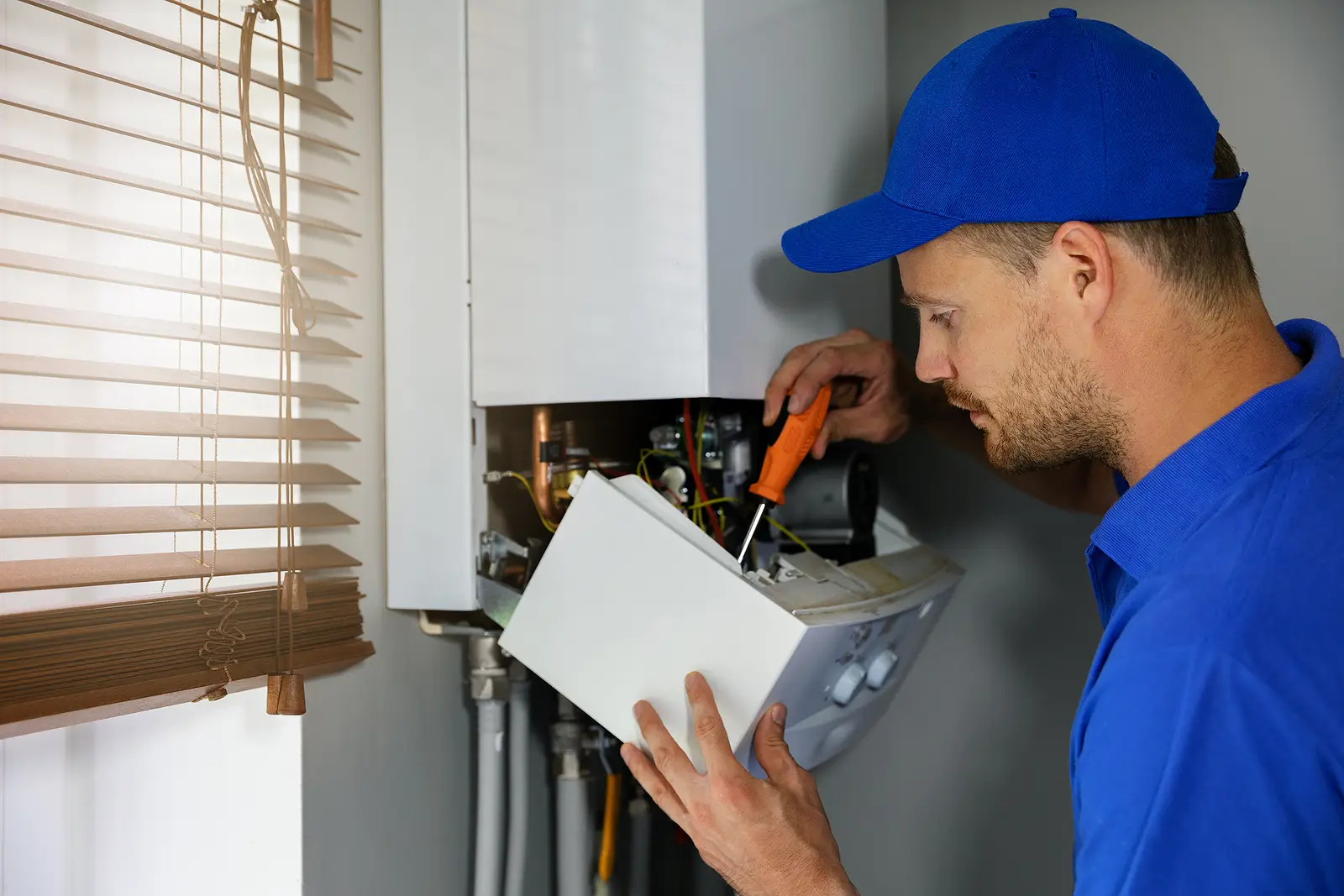
Ask any Milwaukee owner about their least favorite property, and they'll usually point to the one that keeps calling them back for the same repair. If property maintenance best practices haven't been reviewed in a while, that repeat call is worth paying closer attention to. A repair that happens once is an inconvenience. A repair that happens three times in a year is information.
Milwaukee's housing stock includes plenty of homes built well before modern plumbing and electrical codes existed, and those older systems tend to show wear in the same way across the city. Recognizing the pattern early saves owners money and headaches down the road.
Key Takeaways
- Repeated repairs on one system usually mean it's approaching failure, not experiencing bad luck
- A clear repair history helps owners decide when replacement beats another repair
- Planning ahead of a breakdown protects both cash flow and tenant satisfaction
- Reliable vendors catch developing patterns faster than one-off contractors
- Early action on aging systems costs less than emergency repairs later
When a Repair Keeps Coming Back, Listen to It
The first time a water heater leaks, most owners just call someone to fix it. The second time it happens within the same year, that's a different conversation entirely.
Nationally, the median age of owner-occupied homes is 41 years, and much of Milwaukee's rental housing falls well past that mark. Older plumbing, aging electrical panels, and HVAC systems installed decades ago naturally need more attention as they near the end of their service life.
Reading Between the Repair Calls
A recurring issue with a specific outlet might point to a wiring problem beyond that one fixture. A recurring roof leak after every heavy rain usually means the underlying material has failed, not that one shingle came loose. Looking past the immediate fix reveals what's actually happening underneath.
Does a Property Manager Cover the Cost, or Do You?
Owners often assume their management company absorbs repair costs automatically, which isn't accurate and can lead to confusion when the bills start adding up. Understanding who actually pays for rental maintenance in Milwaukee helps set realistic expectations before repair patterns become a financial surprise.
Knowing where the responsibility sits also clarifies who should be tracking repeat repairs in the first place, since that record-keeping matters more the longer a property ages.
Where Confusion Usually Starts
Owners sometimes assume routine repairs are bundled into management fees. In most arrangements, repair costs are billed separately, which means an aging system generating repeat calls is coming directly out of the owner's pocket each time.
Vendor Relationships Make or Break Pattern Recognition
A rotating cast of contractors rarely notices when the same issue keeps resurfacing, because each one only sees the property once. A consistent vendor, on the other hand, remembers what they fixed last time and can flag when something's clearly beyond a quick patch.
Avoiding common vendor planning mistakes gives Milwaukee owners a much clearer read on whether a system is failing gradually or if a repair was simply a one-off fluke.
What a Good Vendor Relationship Looks Like
The best contractors document what they see on each visit, not just what they fixed. That history becomes a resource that an owner can use to make a replacement decision with actual evidence behind it.
Turning Repair Records Into Real Numbers
A repair log isn't just paperwork. Reviewed properly, it shows exactly how much money has gone into a single system over time, and whether that number is approaching what a full replacement would cost.
According to the Joint Center for Housing Studies of Harvard University, homeowners spent an estimated $503 billion in 2024 on remodeling and repair work, a clear sign that aging housing nationwide demands consistent reinvestment rather than occasional attention.
Owners who add up repair costs per system, rather than treating each invoice separately, often discover they've already spent more than a replacement would have cost them.
A Simple Way to Track the Math
- List each repair by system, not just by date
- Add up total spend per system over the past 18 months
- Compare that total against a current replacement estimate
- Flag any system where the gap has narrowed significantly
Inspections Catch What Repair Calls Miss
Tenants don't always report small problems right away, especially ones that seem minor at first. That's exactly why regular rental inspections matter so much for older Milwaukee properties, since they catch developing issues before a tenant even notices them.
Consistent inspections also build a documented history that supports whatever repair-versus-replace decision comes next, giving owners something concrete to point to rather than guesswork.
What to Look For During a Walkthrough
Check under sinks for slow leaks, test outlets in older rooms, and note any signs of water staining near the roofline. These small observations often surface a pattern long before a tenant's next maintenance request would.
Knowing When the Numbers Say Replace
At a certain point, the cost of continuing to repair a system outweighs the cost of just replacing it. A rental analysis can help put real figures behind that decision instead of relying on gut feeling alone.
Owners can also run projected numbers through an ROI calculator to see how a planned replacement affects overall returns compared to continuing to absorb repair costs indefinitely.
Getting the Right Support as Your Property Ages
Recurring repairs deserve a second look, not another quick fix treated in isolation. Owners who build the habit of reviewing repair patterns regularly tend to catch expensive problems long before they become emergencies.
Milwaukee owners can find helpful context in our resources for property owners, covering what typically changes as a property ages and how to plan around it with confidence.
FAQs about Recurring Repairs in Milwaukee, WI
How do I tell if a repair pattern is worth acting on right away?
Two repairs on the same system within a year is usually enough reason to investigate further. If the cost per visit keeps climbing, that's a stronger sign the underlying system is failing rather than experiencing isolated issues.
Does my lease need to say anything about repeat repairs?
Most leases don't require special language for this, but documenting repair history protects you if a tenant later claims a system was neglected. Keep dated records of every visit and what was addressed each time.
Is it better to replace a system all at once or in stages?
Full replacement is often more cost-effective long term, since staged repairs on an aging system rarely address the root cause. Weigh the upfront cost against how much you've already spent on repeated partial fixes.
What if my tenant caused the repeat repair issue themselves?
It's worth investigating before assuming tenant fault, since aging systems fail regardless of how carefully they're used. A professional assessment can usually distinguish between normal wear and damage caused by misuse.
How often should repair records actually be reviewed?
Every three to six months works well for most rental properties. Reviewing more frequently than that rarely reveals new patterns, while waiting a full year risks missing a problem that's already become expensive.
Stop Treating Repeat Repairs Like Bad Luck
A system that keeps failing isn't unlucky; it's telling you it's done. PMI Property Pros helps Milwaukee owners read those signals early, connect with vendors who track a property's history over time, and plan replacements before the numbers stop making sense.
Take a closer look at your options, browse our maintenance services, and see how a coordinated approach handles repeat repairs before they add up.
